Hi Steve;
Ah ha, resurrection time.
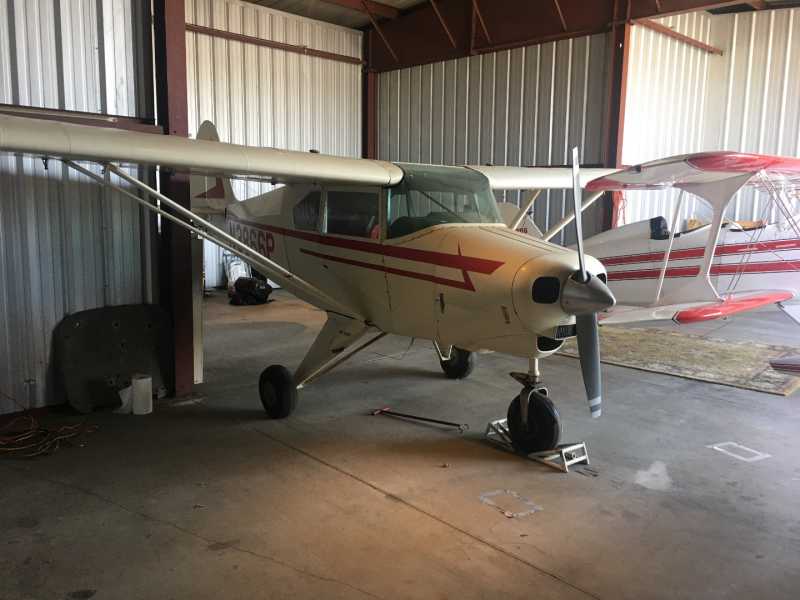
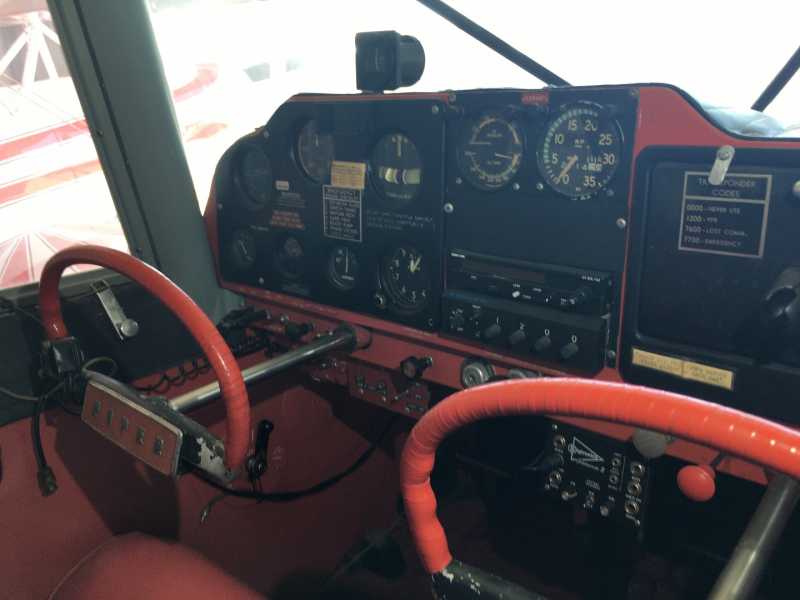
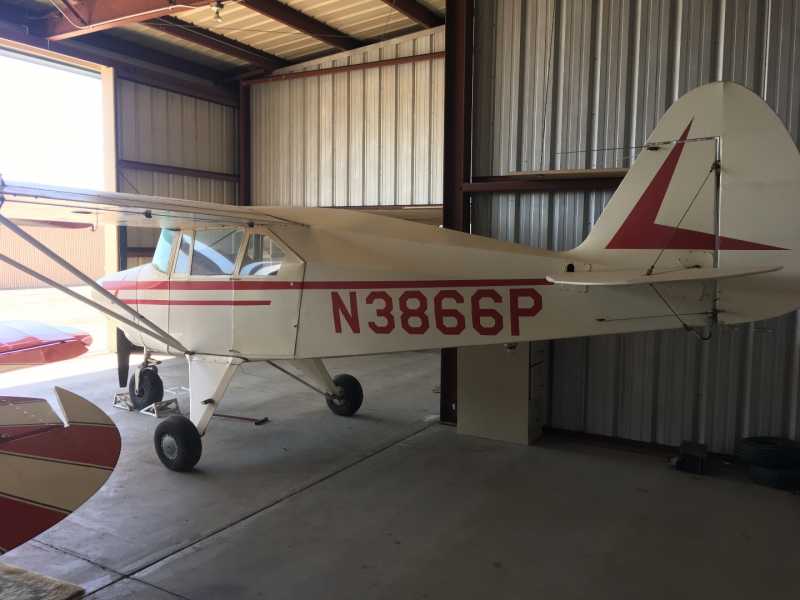
The Tri Pacer is a good airplane; a little quirky (master switch under the front seat) but the performance numbers are better than a 172 of the same vintage.
First, drain all the fuel out of the fuel tanks and carburetor bowl. Make sure you connect a ground wire between the airframe and the barrel or gas can you’re draining the fuel into.
If you have a borescope or something that will let you look at the fuel feed tubes in the fuel tanks, take a look to make sure those are clean and clear.
Pull the carburetor finger screen and the main strainer screen, clean and re install.
Drain the oil. Remove the oil filter or screen and inspect for crud. Remove the oil pick up strainer screen and inspect.
Lube very joint and lube point on the fuselage.
Inspect every square inch of the fuselage and inside the wings; you’ll be amazed how much like home a parked inactive airplane looks to birds and mice.
Take a very good look at the tires and tubes. If there’s any doubt, replace them. I used the “Monster” retreads from Desser Tire.
The dilemma with the engine will be: is there any rust on the camshaft and lifters? These items are hard to inspect on a Lycoming engine. Some mechanics have had some success using a flexible borescope and going up through the oil filler/dipstick hole (after pulling the tube and dipstick). The best way is to remove a cylinder. If there’s rust on the camshaft or the lifters, the odds are very good that the engine will have to be removed and a new cam and lifters installed.
If you can’t see the cam and lifters, you can also put in new oil after the fuel system, tires, etc. have been serviced, and the airplane has been successfully (no leaks, makes rated RPM) run on the ground is to take an oil sample after a few hours of flight. You and your mechanic will want to do the best preflight ever, prior to any flight. Easy taxiing, then faster taxiing then, accelerating for takeoff then taxiing back is my suggestion prior to actually flying. I used Blackstone labs for my oil samples. You’ll receive a report; there’s no doubt it will show high levels of iron which indicates internal rust; an exceedingly high level could be an indicator of cam/lifter distress.
If it has a generator, you’ll need to flash it, the battery will need to be replaced, and the brake wheel cylinders may need repacking. If you have the maintenance logs (logbooks) try to determine when the magnetos were last overhauled; if you can’t tell I recommend that they be sent to Aircraft Magneto Service in Missoula, MT. Ask for a 500 hour inspection and service.
I see it’s been parked up in the Sacramento area. Not as good as being parked in Tucson or Phoenix but not the worst area for corrosion. Do you know why the owner parked it? I see someone has kept the registration up to date, so I’m assuming the owner is still alive.
This is a partial list of the items you need to start looking at.
Please let me know how I can help you further.
Best,
Steve