Close Menu
Piper Flyer AssociationPiper Flyer Association
  • Home
  • Members
    • Member Dashboard
    • Parts Locating
    • Edit Profile
    • Member Benefits
    • Renew
  • Forums
  • Piper Models
    • Piper Singles
      • Piper Cubs
      • Piper PA-11, PA-12, PA-14
      • Piper Short Wing
      • Piper PA-18 Super Cub
      • Piper PA-24 Comanche
      • Piper Pawnees
      • Piper PA-28 Cherokee
      • PA-32 Series
      • Piper PA-38 Tomahawk
      • Piper M Series
    • Twin Engine
      • Piper PA-23 Apache/Aztec
      • Piper PA-30 Twin Comanche
      • Piper PA-31 Series
      • Piper PA-34 Seneca
      • Piper PA-42 Cheyenne
      • Piper PA-44 Seminole
  • Magazine
    • ONLINE MAGAZINES
      • 2026 ONLINE MAGAZINES
      • 2025 ONLINE MAGAZINES
      • 2024 ONLINE MAGAZINES
      • 2023 ONLINE MAGAZINES
      • 2022 ONLINE MAGAZINES
      • 2021 ONLINE MAGAZINES
      • 2020 ONLINE MAGAZINES
      • Prior Years
    • Article Archive
      • Maintenance & Technical
      • Other Popular Articles
    • Featured Articles
  • Knowledge Base
    • Aviation News
    • Aviation Alerts
    • Videos
    • Annual Checklist
    • Piper Flyer Sponsors
    • Keep Your Piper Ownership Affordable
  • Login
  • Join
Free Newsletter
What's Hot

McFarlane Alaska Expands Backcountry Portfolio with Acquisition of T3 Tailwheel Product Line

BERINGER AERO Receives FAA PMA Approval for Greenville, South Carolina Facility

From Steam to Screen: Upgrading Your Piper’s Attitude Indicator

Facebook X (Twitter) Instagram
Join PFA Renew
Piper Flyer Association
Free Newsletter Login
  • Home
  • Members
    • Member Dashboard
    • Parts Locating
    • Edit Profile
    • Member Benefits
    • Renew
  • Forums
  • Piper Models
    • Piper Singles
      • Piper Cubs
      • Piper PA-11, PA-12, PA-14
      • Piper Short Wing
      • Piper PA-18 Super Cub
      • Piper PA-24 Comanche
      • Piper Pawnees
      • Piper PA-28 Cherokee
      • PA-32 Series
      • Piper PA-38 Tomahawk
      • Piper M Series
    • Twin Engine
      • Piper PA-23 Apache/Aztec
      • Piper PA-30 Twin Comanche
      • Piper PA-31 Series
      • Piper PA-34 Seneca
      • Piper PA-42 Cheyenne
      • Piper PA-44 Seminole
  • Magazine
    • ONLINE MAGAZINES
      • 2026 ONLINE MAGAZINES
      • 2025 ONLINE MAGAZINES
      • 2024 ONLINE MAGAZINES
      • 2023 ONLINE MAGAZINES
      • 2022 ONLINE MAGAZINES
      • 2021 ONLINE MAGAZINES
      • 2020 ONLINE MAGAZINES
      • Prior Years
    • Article Archive
      • Maintenance & Technical
      • Other Popular Articles
    • Featured Articles
  • Knowledge Base
    • Aviation News
    • Aviation Alerts
    • Videos
    • Annual Checklist
    • Piper Flyer Sponsors
    • Keep Your Piper Ownership Affordable
  • Login
  • Join
Piper Flyer AssociationPiper Flyer Association
Renew
Home » Topics » Main Forum » PIPER MODELS » PA-22 » 10 years without any movement

10 years without any movement

  • Index
  • Recent Topics
  • Search
  • Index
  • Recent Topics
  • Search
Login

Posted In: PA-22

  • Participant
    STEVE on September 16, 2020 at 10:16 am #20191

    Hi Steve;
    I remembered another thing. Can you take a look at the airframe logbooks to determine when the airframe was last recovered, and what process was used during the recover. I imagine that it’s covered with Ceconite or the Stits process which is good news since those fabrics are almost indestructible.
    Is your mechanic familiar with tube and fabric airplanes? If so he will probably have taken an ice pick or sharp punch to the lower rear longerons. By that I mean pushing up into the tube (through the fabric) with the tip of the pick to determine if there are any soft (rust) spots in those tubes. The lower aft longerons usually are the most susceptible tubes to rust. I mention it because it’s a common inspection on tube airframe airplanes.
    After you get the battery, clean the engine oil and fuel filters and are ready to start the engine, I recommend you take one spark plug out of each cylinder and then pre oil the engine by using the starter to spin the prop until you get an indication of oil pressure on the cockpit oil pressure gauge.
    Please take pictures, and notes so you can write an article for the magazine, or give me a briefing so I can write the article on the trials and tribulations of resurrecting your Tri Pacer.

    Best,
    Steve

    Participant
    Steven Berggren on September 15, 2020 at 5:27 pm #20190

    Thank you very much for all your valuable information. I believe the owner lost his medical and just couldn’t give up his baby. He was paying hangar fees for 10 years without any aircraft movement, ouch! Lost of money wasted.

    I’ve sent the prop out for overhaul and the carburetor out for overhaul so far. Is it worth the money to buy new Slick magnets instead of overhauling the old Bendix mags? Mags aren’t cheap but very important. What are your thoughts?

    I’m replacing all the rubber hoses and gaskets on the engine right now. Also a very thorough cleaning and maybe a splash of new paint. Since it’s going to run good it might as well look good too.

    Thank you once again for your help.
    Steve Berggren

    Participant
    STEVE on August 17, 2020 at 12:04 pm #20115

    Hi Steve;
    Ah ha, resurrection time.
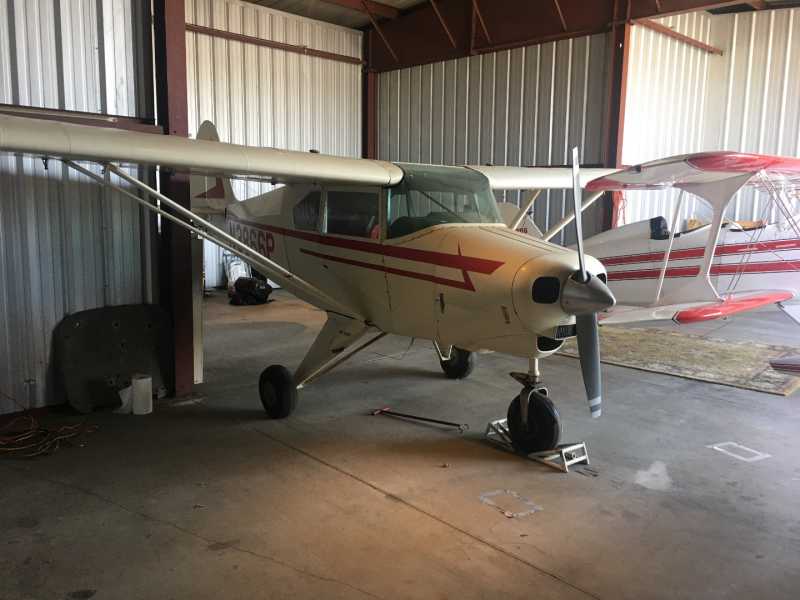
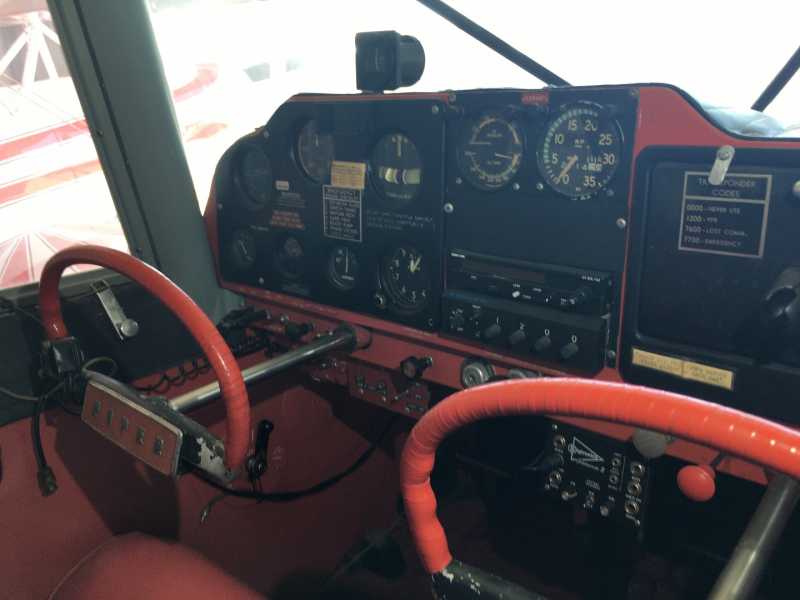
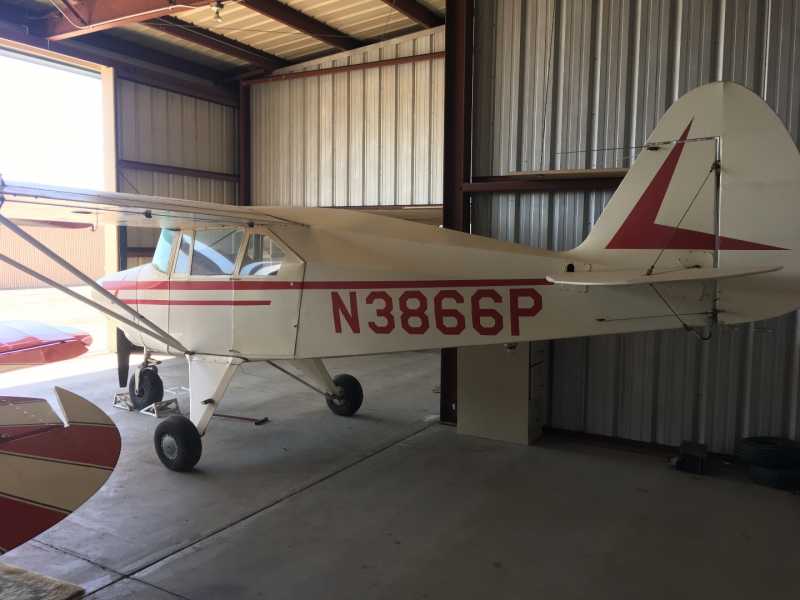
    The Tri Pacer is a good airplane; a little quirky (master switch under the front seat) but the performance numbers are better than a 172 of the same vintage.
    First, drain all the fuel out of the fuel tanks and carburetor bowl. Make sure you connect a ground wire between the airframe and the barrel or gas can you’re draining the fuel into.
    If you have a borescope or something that will let you look at the fuel feed tubes in the fuel tanks, take a look to make sure those are clean and clear.
    Pull the carburetor finger screen and the main strainer screen, clean and re install.
    Drain the oil. Remove the oil filter or screen and inspect for crud. Remove the oil pick up strainer screen and inspect.
    Lube very joint and lube point on the fuselage.
    Inspect every square inch of the fuselage and inside the wings; you’ll be amazed how much like home a parked inactive airplane looks to birds and mice.
    Take a very good look at the tires and tubes. If there’s any doubt, replace them. I used the “Monster” retreads from Desser Tire.
    The dilemma with the engine will be: is there any rust on the camshaft and lifters? These items are hard to inspect on a Lycoming engine. Some mechanics have had some success using a flexible borescope and going up through the oil filler/dipstick hole (after pulling the tube and dipstick). The best way is to remove a cylinder. If there’s rust on the camshaft or the lifters, the odds are very good that the engine will have to be removed and a new cam and lifters installed.
    If you can’t see the cam and lifters, you can also put in new oil after the fuel system, tires, etc. have been serviced, and the airplane has been successfully (no leaks, makes rated RPM) run on the ground is to take an oil sample after a few hours of flight. You and your mechanic will want to do the best preflight ever, prior to any flight. Easy taxiing, then faster taxiing then, accelerating for takeoff then taxiing back is my suggestion prior to actually flying. I used Blackstone labs for my oil samples. You’ll receive a report; there’s no doubt it will show high levels of iron which indicates internal rust; an exceedingly high level could be an indicator of cam/lifter distress.
    If it has a generator, you’ll need to flash it, the battery will need to be replaced, and the brake wheel cylinders may need repacking. If you have the maintenance logs (logbooks) try to determine when the magnetos were last overhauled; if you can’t tell I recommend that they be sent to Aircraft Magneto Service in Missoula, MT. Ask for a 500 hour inspection and service.
    I see it’s been parked up in the Sacramento area. Not as good as being parked in Tucson or Phoenix but not the worst area for corrosion. Do you know why the owner parked it? I see someone has kept the registration up to date, so I’m assuming the owner is still alive.
    This is a partial list of the items you need to start looking at.
    Please let me know how I can help you further.
    Best,
    Steve

    Participant
    Steven Berggren on August 17, 2020 at 10:51 am #20114

    I just bought a 1956 TriPacer that has been hangered for 10 years. The engine has 752 hours since major overhaul . What is the first thing I should do? The fabric is good. I scoped the cylinders and it’s just carbon. The cylinders are chromed and they look great.
    Mag overhaul?
    Carb overhaul?
    ????
    Thank you very much
    Steve B 06F035EB-D025-41F7-9D6F-A37E782AD4C2.jpeg 96396E58-567D-459A-8756-6F1DB70F0DE5.jpeg 85406669-4974-4250-9664-BC8F781A1F91.jpeg

Viewing 4 posts - 1 through 4 (of 4 total)
  • You must be logged in to reply to this topic.
Log In

Piper Flyer Association is the trusted resource for Piper aircraft owners and pilots, providing expert maintenance guidance, ownership support, and safety information for Piper airplanes.

About Us

  • Mission Statement
  • Our Values
  • Who We Are
  • Contact Us
  • Mission Statement
  • Our Values
  • Who We Are
  • Contact Us

Site Info

  • Advertise
  • Privacy Policy
  • Terms of Service
  • Cancel/Refund
  • Advertise
  • Privacy Policy
  • Terms of Service
  • Cancel/Refund

Membership

  • Join
  • Events
  • Benefits
  • Join
  • Events
  • Benefits

Get In Touch

1042 N Mountain Ave Ste B #337 Upland, CA 91786
Email:
 kent@aviationgroupltd.com
Contact: 626-844-0125

Free Newsletter
Facebook X (Twitter) Instagram

All rights reserved. PIPER FLYER ASSOCIATION. © 2004-2026 All Rights Reserved

Type above and press Enter to search. Press Esc to cancel.

In order to provide you with the best online experience this website uses cookies.

By using our website, you agree to our use of cookies. Learn more

Functional Always active
The technical storage or access is strictly necessary for the legitimate purpose of enabling the use of a specific service explicitly requested by the subscriber or user, or for the sole purpose of carrying out the transmission of a communication over an electronic communications network.
Preferences
The technical storage or access is necessary for the legitimate purpose of storing preferences that are not requested by the subscriber or user.
Statistics
The technical storage or access that is used exclusively for statistical purposes. The technical storage or access that is used exclusively for anonymous statistical purposes. Without a subpoena, voluntary compliance on the part of your Internet Service Provider, or additional records from a third party, information stored or retrieved for this purpose alone cannot usually be used to identify you.
Marketing
The technical storage or access is required to create user profiles to send advertising, or to track the user on a website or across several websites for similar marketing purposes.
  • Manage options
  • Manage services
  • Manage {vendor_count} vendors
  • Read more about these purposes
View preferences
  • {title}
  • {title}
  • {title}

Sign In or Register

Welcome Back!

Login below or Register Now.

Lost password?

Register Now!

Already registered? Login.

A password will be e-mailed to you.