


Identifying squawks and properly sequencing your Piper refurbishment projects can save you time, money and aggravation.
So you’re now the proud, new owner of a not-so-new airplane that you plan to own for a long time. Fortunately, you properly vetted this new-to-you airplane during a thorough pre-purchase inspection, and you’re looking forward to renovating it into your ideal machine. The most important component in successfully making your dream a reality is to develop a cost-efficient, thorough and well-planned renovation plan.
A very important first step is to get to know the airplane before moving forward with major renovations and upgrades. I highly recommend that an owner fly their newly acquired airplane for at least a year and get it through its first annual inspection.
Even though a thorough pre-purchase inspection was done, be prepared for that first annual to possibly cost 10 percent of what you paid for the airplane. I’ve made this statement several times in the past during seminar presentations. Looking out at the audience, it’s interesting to observe the various reactions this comment generates in the expressions of those seated in front of me. Surprised or shocked looks indicate non-owners considering their first purchase. Nods of agreement come from seasoned airplane owners.
Why such an expensive first annual? Good question. It’s only natural for an owner who is planning to upgrade to a different airplane in the foreseeable future to defer maintenance issues that can be safely put off, passing the expense on to the next owner.
As you fly the airplane for that first year, it’s a good idea to keep a notebook with you. While comfortably cruising along, make detailed notes about things you would like to change to improve your experience in the airplane, as well as maintenance issues that may only be apparent in flight.
Note such items as cabin and instrument lighting, storage, passenger restraint issues, potential heating and ventilation improvements, seating comfort, instrument panel layout, etc. Over a year or so, you will be surprised to realize the number of details that you will want to include in your wish list that you weren’t at all aware of when you purchased the airplane.
I also think it’s a good idea to keep a small camera in the airplane and use it to capture images of paint jobs or interiors that you see and like; this can help you make better choices later. Designing a custom interior or paint job involves a lot of thought and planning. Having images of what you like will help the professionals you partner with to design and execute a project that will meet or exceed your expectations with no details overlooked.
The following is a list of sequenced projects that will lead to a thorough and high-quality renovation. We will cover all of these topics in greater detail in future articles to help you and your inspector find issues that could have been missed in earlier inspections.
AIRWORTHINESS ITEMS
• Engine
– Overhaul or upgrade
– More horsepower, turbocharger conversion
– Converting carbureted to fuel-injected
• Improved baffles
• Alternator and starter upgrades
• Cowling modifications
• Replace old hoses
SAFETY ENHANCEMENTS
• Shoulder harnesses and belts
– Four-point vs. three-point
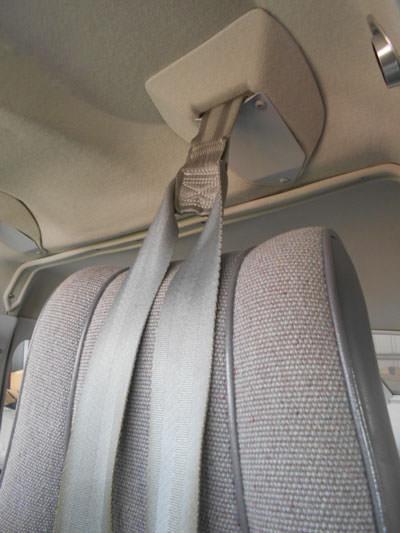
– Inertia-reel vs. fixed harness
– Airbag belts
– Adding harnesses to center and aft seats
• Fire extinguisher
• Ballistic parachute
• Lighting
– LED beacons, nav and landing lights
• Modern flameproofed interior materials
• De-icing systems
• Backup instrument systems
AVIONICS UPGRADES
• How much digital automation is right for me?
• Keeping some existing analog equipment?
• What brand of equipment is the best investment?
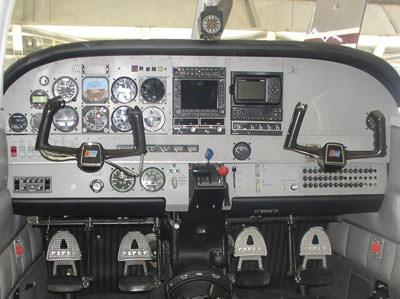
• Instrument panel options
– Dealing with plastic panel overlays
– Converting to all-metal panels
– Panel lighting options
– Old circuit breakers and switches
– Autopilot options
– Onboard weather detection
AIRFRAME PERFORMANCE
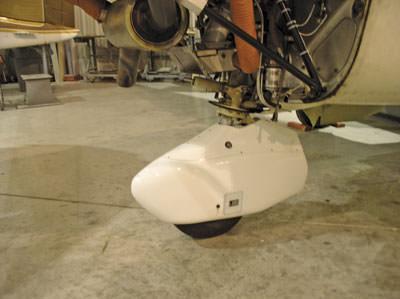
• Gap seals
• Fixed and retractable landing gear
• Clean-up mods
• Auxiliary fuel systems
WINDOWS
• Windshield conversions
– One-piece vs. two-piece
• Thicker windows vs. standard thickness
• Tint options
• UV-reflective glass vs. standard
• Windows with opening vents
EXTERIOR PAINT
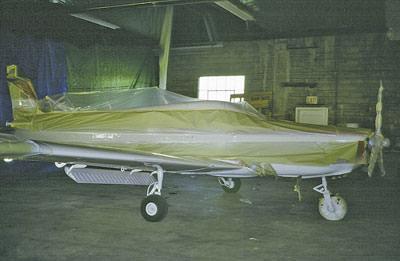
• Stripping vs. topcoat over existing paint
• Stripping options
– Alkaline vs. acid-based strippers
– Media blasting
– Ice crystal blasting
• Getting the right design
– Design it yourself
– Use a professional
• Finishing products best for aluminum airplanes
• Best finishes for fabric-covered airplanes
INTERIOR
• Aging airplane issues
– Leaking windows
– Corroded structural components
– Glue-covered and corroded inner cabin skins
• Approved seat modifications
– Taller seat backs
– Adding headrests to older seats
– Installing late-model seats in older airplanes
• Side panel and armrest design
– Factory configuration
– Modified or upgraded
• Storage options
• Insulation options
• Ventilation upgrades
• Lighting upgrades
• Materials
– All-leather seats and side panels
– Fabric and vinyl seats and side panels
– All-vinyl seats and side panels
– Headliners
– Carpet
– Flameproofed materials and Federal regulations
• How much interior installation can an owner legally do?
– Using kits
– Partnering with a local upholstery shop
• Typical warranty coverages for various projects
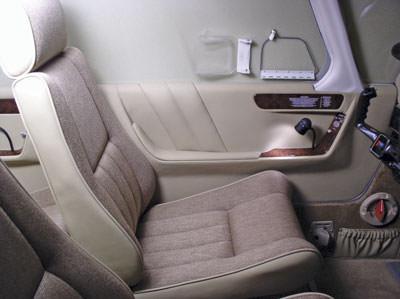
This list is not all-inclusive or cast in stone, but these various projects are loosely sequenced based on issues that could compromise previously completed work. For instance, old fuel cells that require replacement every 15 to 20 years should definitely be taken care of before a new paint job is done. The same is true for most window installations. If either of these two items are showing signs of aging and are likely to fail before that paint is in need of being done again, do the glass or fuel cells first.
All of this probably sounds complicated, expensive and time-consuming, and it is. Most owners stage these projects when it’s most convenient in their schedules or when they’ve recovered from the expense and downtime of the previous project. Additionally, many of these tasks can be partially or fully completed by an owner, saving money and giving one a real sense of accomplishment. In subsequent articles, I will describe some tricks we’ve discovered over the years that will help the do-it-yourselfers.
These kinds of restoration ventures don’t happen overnight. Air Mod was involved in completing five AOPA sweepstakes airplanes between 1994 and 2013. The time it took to complete most of these spinner-to-tailcone total renovations was close to a year, and they were not undertaken by only one shop. The “Better Than New 172” project in 1994 was a bit of a timing exception. The investment of long work days and seven-day work weeks resulted in a complete renovation that included avionics, autopilot, custom instrument panel, windows, custom leather interior with highly modified side panels, four-point inertia-reel harnesses, super soundproofing and a custom paint job, all of which took about five months to finish, as opposed to the more common 10 to 12 months.
Be prepared to face the realities of the time it takes to transform your airplane into your dream machine. Until next time, fly safe!
Industrial designer and aviation enthusiast Dennis Wolter is well-known for giving countless seminars and contributing his expertise about all phases of aircraft renovation in various publications. Wolter founded Air Mod in 1973 in order to offer private aircraft owners the same professional, high-quality work then only offered to corporate jet operators. Send questions or comments to editor@www.piperflyer.com.

