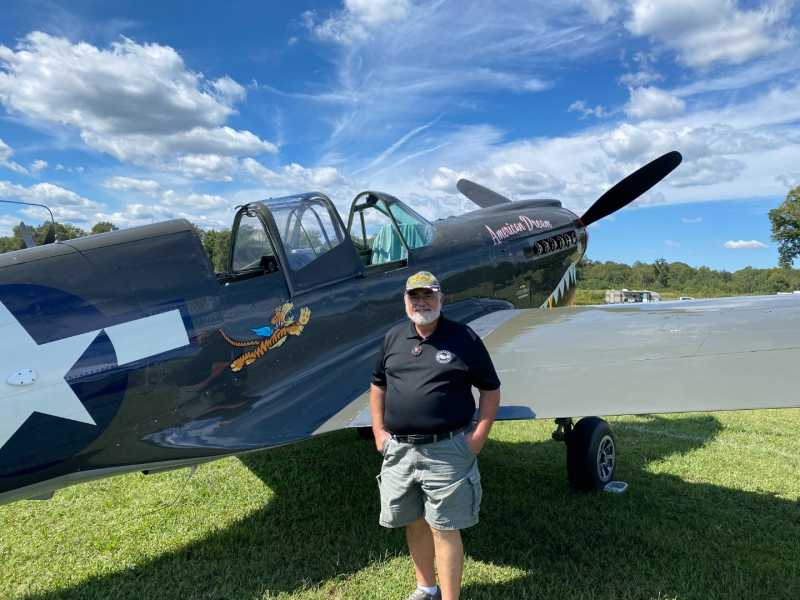
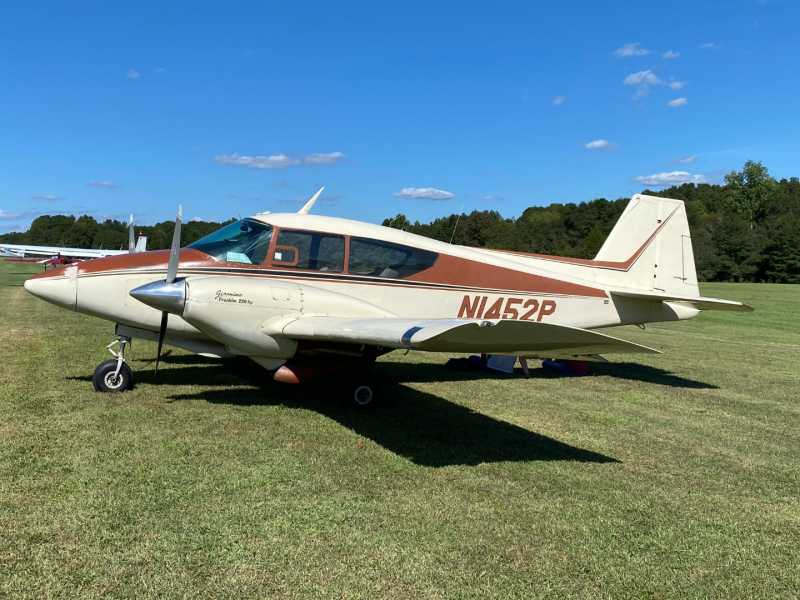
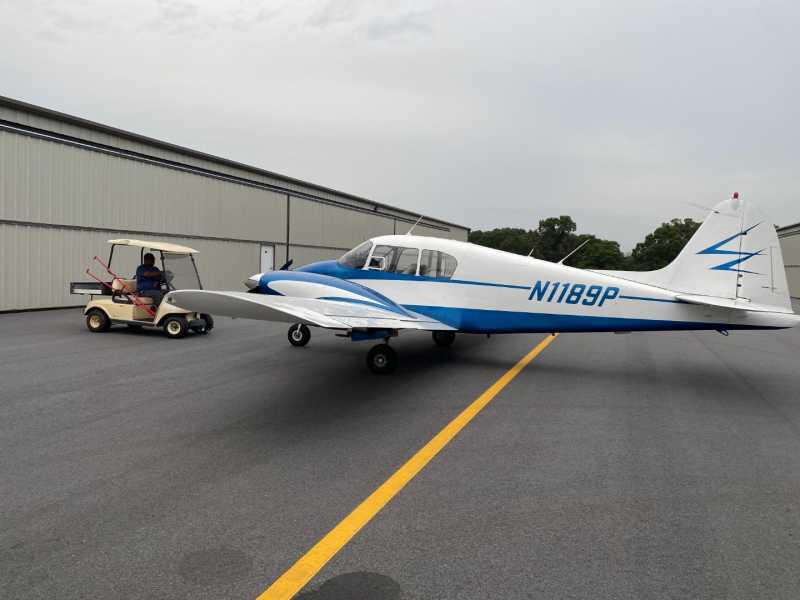
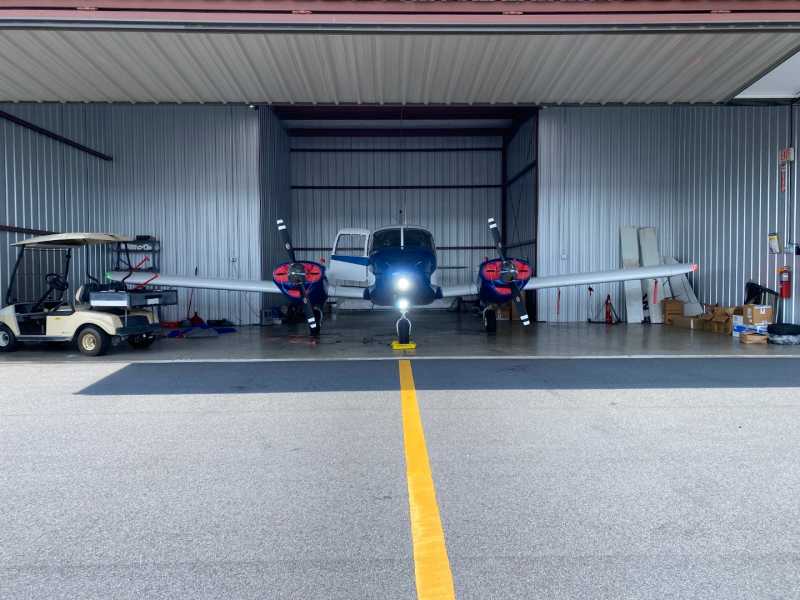
Which original version of these planes had the lowest stall speed in landing configuration (VS0)? Please note these are the “official” numbers from the Apache POH or as listed on Rising Up Aviation (risingup.com) and are from the POH for these planes. Remember this is the first model of these planes so later versions don’t count!
1. Cessna 182
2. Piper Comanche 180
3. Piper Cherokee 235
4. Piper Apache 150
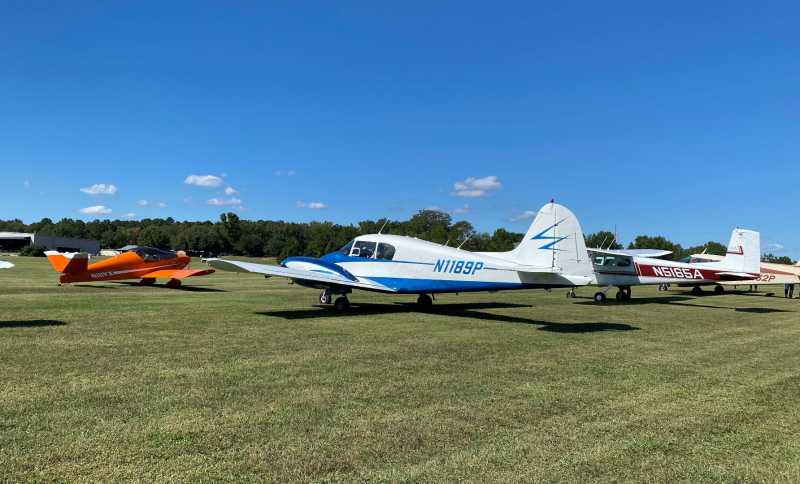
If you guessed Piper Apache, the only twin engine in the group, you are correct!
1. Cessna 182 VS0 54 kts
2. Piper Comanche 180 VS0 53 kts
3. Piper Cherokee 235 VS0 52 kts
4. Piper Apache 150 VS0 51 kts
Now, which plane has the best rate-of-climb (standard conditions)?
If you guessed Piper Apache you are correct again!
1. Cessna 182 1120 fpm
2. Piper Comanche 180 910 fpm
3. Piper Cherokee 235 825 fpm
4. Piper Apache 150 1250 fpm (note: POH lists 1350 fpm but chart says 1250)
Now let’s look at cruise speeds. Which has the fastest normal cruise speed? Remember these are the “official” cruise speeds as listed on Rising Up Aviation.
Surprise! Piper Apache again. In this case I doubt the numbers are accurate but this is what is listed.
1. Cessna 182 135 kts
2. Cherokee 235 136 kts
3. Comanche 180 139 kts
4. Apache 150 148 kts
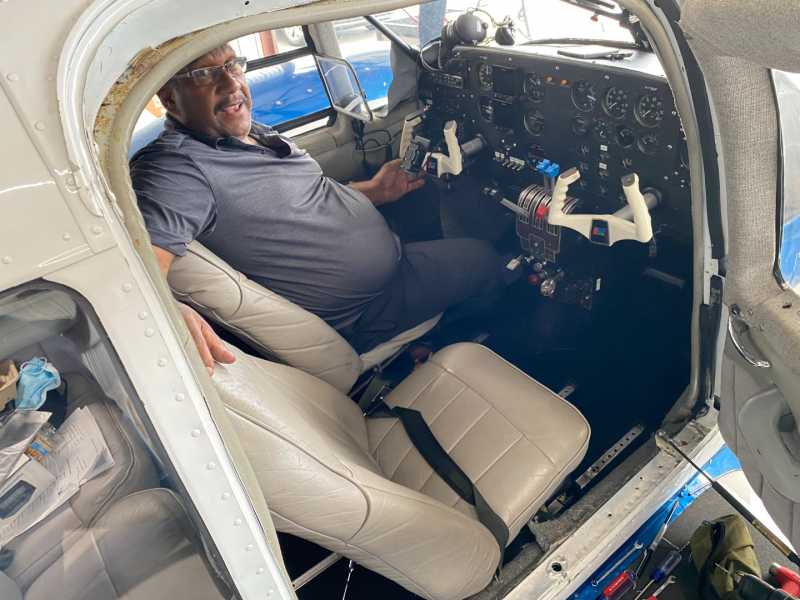
So, what’s the point? The Apache competes very well when compared to planes that are well regarded single engine planes. A “slow” Apache actually has some good points when compared to some popular single engine models that are more in it’s price range. Besides the “numbers” the Apache has the widest cabin, a huge baggage hold and a rugged gear with big tires for good grass field work. Of course, on the downside the Apache also has the highest fuel burn, the most cylinders and two props instead of one. But those reliable Lycoming 4 cylinder O-320 engines help balance that out.
Only comparing the Apache to other much faster and more powerful twins may be missing the whole point of the Apache. I like that I get real twin engine redundancy but don’t have to pay the big bills some other twin drivers pay. Also, the Apache mixes in with other GA traffic very well and can handle smaller airstrips as well as larger airports pretty easily. That big, fat wing that makes it so “slow” also gives it great handling and makes it easy to get great landings. It’s a great fun VFR plane but also a good IFR platform. Sometimes less is more!